HR Challenges and Trends in 2025

HR managers today face unprecedented challenges—an aging workforce, talent shortages, and the complexities of AI-driven hiring. Are traditional hiring methods enough to keep up? As companies shift toward data-driven strategies and skills-based hiring, finding the right talent has never been more critical. Let’s explore how these emerging trends are reshaping the future of recruitment and workforce management.
Navigating Key HR Challenges in 2025
As labor markets shift, HR leaders face critical issues affecting talent acquisition, workforce sustainability, and equity. Below are four major challenges shaping HR in 2025.
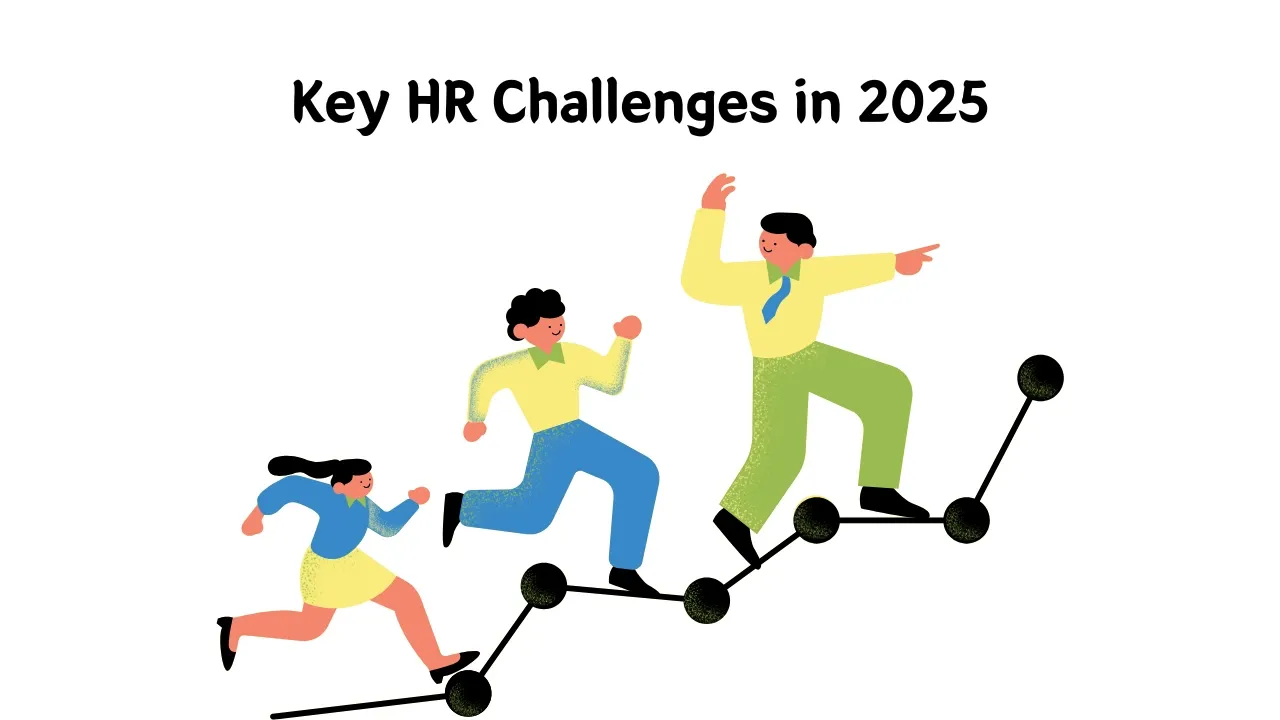
The aging population is becoming a significant workforce concern, particularly in developed economies. As seasoned professionals retire, organizations face labor shortages and the loss of institutional knowledge and leadership expertise. This demographic shift requires companies to rethink succession planning, knowledge transfer, and mentorship programs to ensure business continuity.
1. The Growing Talent Shortage
Rapid technological advancements and evolving workforce demands have intensified talent shortages, particularly in high-growth industries like technology, cybersecurity, healthcare, and engineering.
A recent study by ManpowerGroup found that 75% of employers struggle to fill positions due to a lack of qualified candidates. This challenge underscores the need for skills-based hiring, workforce reskilling, and strategic talent acquisition to bridge the gap between available skills and industry requirements. Companies must leverage data-driven hiring strategies and AI-powered talent assessments to identify and develop top talent more effectively.
2. Addressing Wage Disparities and Pay Transparency
Pay equity and wage disparities remain key concerns for HR leaders as employees increasingly prioritize fair compensation, transparency, and competitive benefits. Unequal pay for similar roles across different regions and demographics has led to increased scrutiny, requiring organizations to adopt more structured and equitable compensation frameworks.
HR teams are implementing pay equity audits, transparent salary bands, and performance-based compensation models to attract and retain top talent. As regulatory pressures increase, businesses must proactively ensure compliance with fair pay policies to maintain workforce engagement and employer reputation.
3. The Impact of Generative AI on HR and Workforce Management
Generative AI is reshaping the workplace, automating administrative tasks, enhancing productivity, and transforming the hiring process. While AI-driven solutions offer efficiency gains, they also introduce new challenges for HR professionals:
- AI-generated resumes and cover letters make it increasingly difficult to assess candidates’ true capabilities.
- Automated content creation tools allow job seekers to craft polished applications that may not accurately reflect their technical skills or professional experience.
- Companies must adopt advanced screening methodologies, such as skills-based testing, AI-powered fraud detection, and real-world assessments, to distinguish genuine talent from AI-assisted responses.
As AI continues to influence HR operations, organizations must balance automation with human oversight to ensure ethical hiring practices and accurate talent evaluation.
Key HR Trends Shaping 2025
As organizations navigate evolving workforce challenges, HR is transforming from a traditional support function into a strategic enabler of organizational resilience and competitive advantage. The following key trends are poised to reshape how businesses attract, develop, and retain top talent, ensuring long-term success in an increasingly complex and dynamic global labor market.
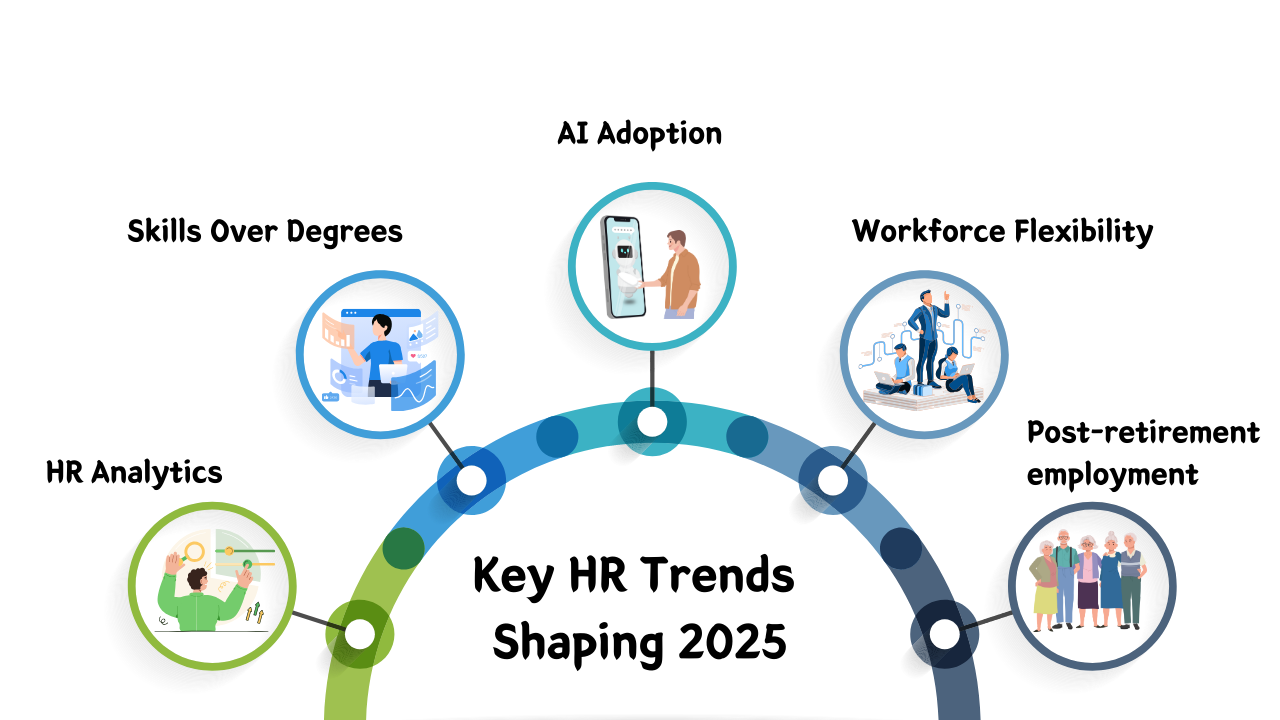
1. The Strategic Role of HR Analytics in Talent Acquisition
Data-driven decision-making is transforming recruitment strategies. Organizations are shifting from traditional, intuition-based hiring models to HR analytics, which leverage data to assess candidates based on skills, performance, and long-term potential. Leading companies like Google and IBM have removed degree requirements for many positions, opting instead for competency-based assessments that measure problem-solving abilities and technical expertise. This shift underscores a broader trend—prioritizing tangible skills over traditional credentials.
2. Skills Over Degrees: The Shift in Hiring Criteria
The labor market is increasingly favoring skills-based hiring, enabling companies to tap into a broader and more diverse talent pool. Instead of relying on academic qualifications as the primary hiring benchmark, many organizations now prioritize demonstrated expertise, industry certifications, and practical experience. This shift not only helps employers identify top talent more effectively but also promotes workplace equity by reducing barriers to employment for non-traditional candidates.
3. AI Adoption Is No Longer Optional
By 2025, AI integration in HR processes will no longer be optional—it will be a necessity. Organizations leveraging AI-powered recruitment tools can significantly improve efficiency, enhance candidate matching, and optimize performance evaluations. Many companies are already utilizing AI-driven assessments to match job seekers with roles based on skill compatibility, reducing hiring time and improving placement accuracy.
4. Strengthening Workforce Flexibility
In response to labor shortages and shifting employee expectations, organizations are embracing greater workforce flexibility. This includes hybrid work models, internal mobility programs, and cross-functional roles, all of which help employees build new capabilities and explore career growth opportunities within the company. For example, internal job rotation programs allow employees to transition into new roles, upskill within the organization, and expand their expertise without leaving the company. These initiatives contribute to higher retention rates and a more engaged workforce.
5. Encouraging Post-Retirement Employment (Unretirement)
As labor shortages grow and workforce demographics shift, forward-thinking companies are embracing “unretirement”—reintegrating experienced professionals into flexible, high-impact roles. This strategic move helps preserve institutional knowledge, fortify leadership pipelines, and maintain operational continuity. Industries like engineering, healthcare, and finance increasingly rely on retirees in project-based or advisory capacities to bridge skills gaps and foster a culture of continuous learning.
Workforce Intelligence Solution: Codepresso
Codepresso delivers exactly that with its next-generation Workforce Intelligence Platform, designed to empower HR leaders with the precision, agility, and insight needed to thrive in a skill-driven economy.
Codepresso’s platform enables organizations to:
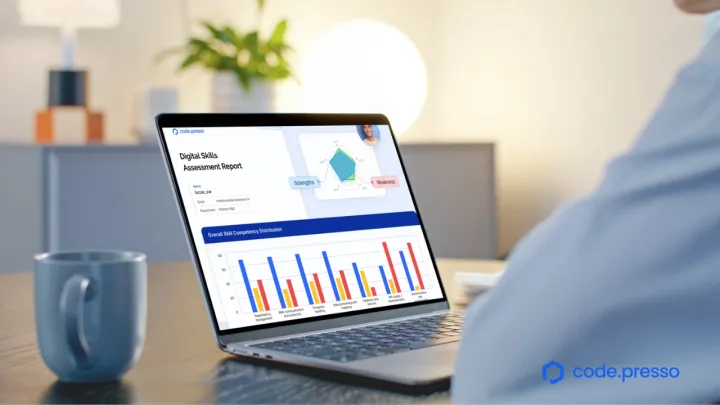
✅ Conduct advanced, real-time skill assessments powered by AI—ensuring accurate, unbiased evaluation of technical proficiency across roles and experience levels.
✅ Design immersive, hands-on learning pathways to upskill, reskill, and future-proof talent with practical, outcome-based training aligned to organizational goals.
✅ Streamline global recruitment pipelines, cutting time-to-hire by up to 50% through intelligent candidate matching, validated assessments, and automated talent workflows.
In an era where skills define success, Codepresso empowers businesses to build agile, high-performing teams equipped for what’s next.
Final thought
To remain competitive in 2025 and beyond, organizations must:
- Embrace a skills-first approach to talent acquisition
- Invest in AI-driven, data-informed HR strategies
- Leverage non-traditional workforce models, such as internal mobility and post-retirement talent
- Deploy agile solutions like Codepresso to drive scalable, human-centered talent development
By aligning HR functions with these emerging imperatives, businesses can future-proof their workforce, accelerate growth, and solidify their position as employers of choice in a skills-centric economy.
Start building a more agile, competitive, and future-proof workforce today!

Comments ()